How to Choose the Right Laser Power for Your Cutting Needs
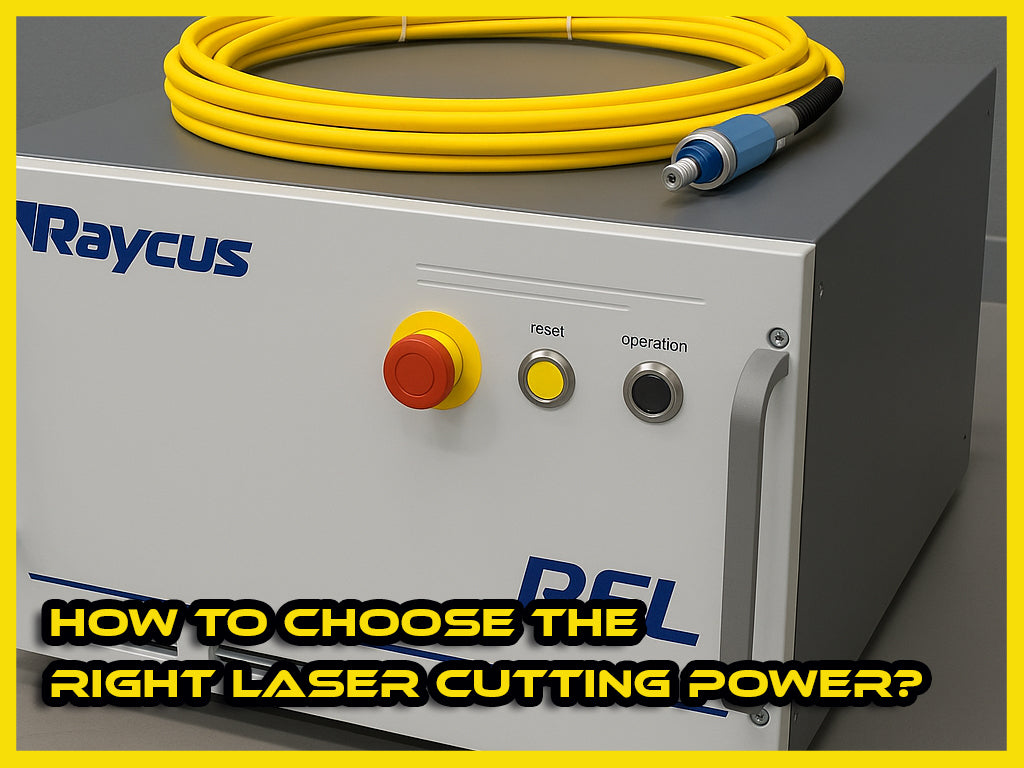
Laser cutting has become a key process in metal fabrication, thanks to its speed, precision, and versatility. However, one of the most important decisions when investing in a laser cutting machine is selecting the right laser power. The power rating directly affects cutting speed, thickness capability, and overall efficiency. In this guide, we’ll help you understand how to match laser power with your material requirements.
Why Laser Power Matters
Laser power, measured in kilowatts (kW), determines how much energy the machine can deliver to cut through metal. The higher the power, the more intense the beam—enabling faster cuts and deeper penetration into thicker materials. However, higher power also means higher cost, energy usage, and potentially more heat distortion if not matched correctly with the job.
1–3kW: Ideal for Thin Sheet Processing (<6mm)
Low-power lasers in the 1 to 3kW range are perfect for cutting thin metal sheets such as:
-
Mild steel up to 6mm
-
Stainless steel up to 4mm
-
Aluminum up to 3mm
Best suited for:
-
Light fabrication work
-
Electronics or enclosure panels
-
Signage or decorative parts
Advantages:
-
Lower machine cost
-
Lower gas and energy consumption
-
Compact system design
4–6kW: The Versatile Mid-Range Option (6–12mm)
This power range hits the sweet spot for most manufacturers, offering enough punch to handle mid-thickness materials with good edge quality and speed.
Typical use cases:
-
General steel fabrication
-
Sheet metal parts for automotive or machinery
-
Brackets, flanges, and enclosures
Materials handled well:
-
Mild steel: up to 12mm
-
Stainless steel: up to 8mm
-
Aluminum: up to 6mm
8–12kW+: Built for Heavy-Duty Cutting (>12mm)
For thicker plates and high-speed production, 8kW and above is the go-to choice. These machines can power through large sheets with ease, even on stainless steel and aluminum.
Applications include:
-
Structural steel
-
Heavy machine components
-
High-volume part production
Capabilities:
-
Mild steel: up to 25mm+
-
Stainless steel: 15–20mm
-
Clean bevel cuts with assist gas
Conclusion: Match Power to Your Production Needs
Choosing the right laser power depends on your material type, thickness, production volume, and budget.
-
Go 1–3kW for light materials, minimal investment, and basic applications.
-
Select 4–6kW for the best balance of cost and flexibility across mid-thickness jobs.
-
Opt for 8–12kW+ if you're working with thick plates, need faster throughput, or want to future-proof for demanding tasks.
At the end of the day, it's not about having the most powerful machine—it’s about having the right one for your job.
Share:
VFM | What's the Difference Between 3-Axis and 6-Axis Tube Laser Cutting Machines
VFM | Why Laser Welding Machines Are Transforming Modern Metal Fabrication